

Featured Categories

Brands

PALINCA - TRADITIONAL FRUIT BRANDIES FROM ROMANIA

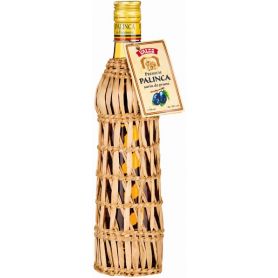
Palinca

PALINCA - TRADITIONAL FRUIT BRANDIES FROM ROMANIA

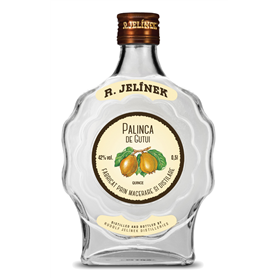
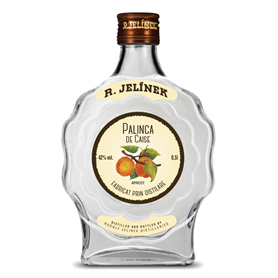
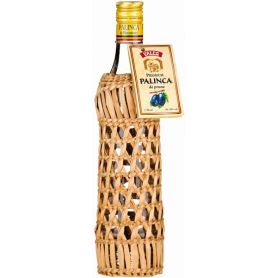
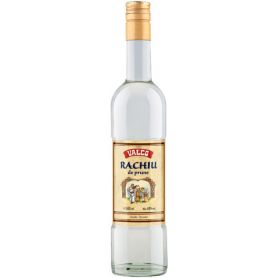
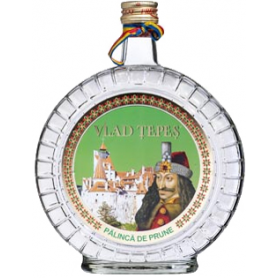
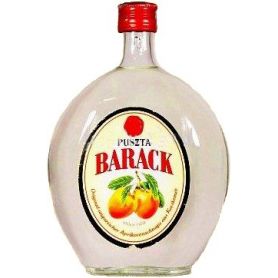
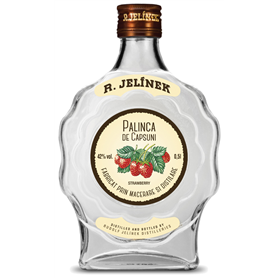
Palinca is both a significant cultural asset and a cult classic, a national drink and a trendy leisure spirit. Its distinctive, exquisite flavor comes from locally grown, sun-drenched fruits with their particularly intense sweetness, produced without any artificial flavorings or colorings.

Read more...

Origin and History

The name Palinca – Hungarian Pálinka, Romanian Palinca – originally derives from a Slavic root meaning "to boil, simmer, burn, distill."

Written evidence of distilled spirits in the historical, now differently structured, Southeast Europe dates back to the 14th century and is related to medicinal purposes. The direct, literal name first appears in the 16th century; from around this time, fruit and grain brandies became increasingly popular as beverages.

At the early peak of production in the mid-19th century, distilling was placed under state monopoly and controlled. However, that is now history; today, there are generous regulations for the private production of this high-quality, trendy beverage, which is also gaining more and more fans and enthusiasts in international markets.

Production and Refinement

Palinca requires fruit with the highest possible sugar content, which, during fermentation, provides sufficient alcohol for distillation. The fruit itself—or fruit pulp derived from it—is first stored in airtight containers, where yeast converts the sugar into alcohol.

The subsequent, usually double, and therefore gentle distillation process ensures that the delicate fruit aromas and valuable essential oils are preserved. The final product typically has an alcohol content of 37.5 to 55 percent by volume.

Palinca then reaches its final maturity through traditional aging in barrels, for example, made of mulberry wood—or in metal tanks, as not all varieties tolerate traditional aging and remain neutral in flavor. Some brandies mature for more than two years.

Many Varieties

Classic and popular fruit varieties include:

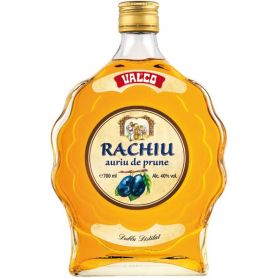
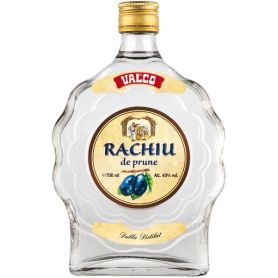
  • Plum
  • Apricot
  • Cherry
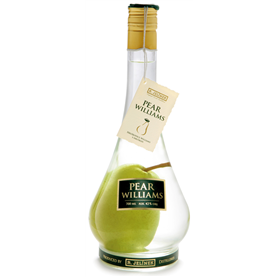
  • Pear
  • Grape

However, Palinca can also be made from apples, quince, currants, blueberries, strawberries, cranberries, sloes, elderberries, rowan berries, or mulberries, for example. A diverse and complete universe of flavors awaits the connoisseur. The mild local climate and long growing season truly enhance the ripe fruit.

Try it now!

Make your selection from our range!

The aromatic fragrance and delightful bouquet typically unfold better at room temperature than when chilled. However, it's recommended to chill the glasses in the refrigerator for a while beforehand.

Tulip glasses are ideal for enjoying this wine; they are wide at the bottom and taper to a point at the top, as they concentrate the aroma at the rim. Fill the glass only about a quarter full and hold it by the base or stem to avoid additional warming from your hand.

It's best enjoyed slowly and deliberately, in small, well-measured sips. A certain sharpness is typical, and the flavor lingers. Palinca should not be swirled, as this leads to an uneven distribution of the alcohol.

Similar Products

Tuica - related fruit brandies of Romanian origin

Active filters